
Get Flood Mitigation in Chapel Hill, NC
Flood mitigation services for property owners in Chapel Hill, NC, involve local contractors handling projects like drainage improvements, barrier installations, and floodproofing to prevent water damage.
Property owners in Chapel Hill, NC, who are considering flood mitigation solutions often seek practical ways to protect their homes and investments from water damage. Exploring options for drainage improvements, barrier installations, or other flood prevention measures can help ensure peace of mind during heavy rains or storms. By planning these projects carefully and comparing different local contractors, property owners can find the right approach to suit their specific needs and property conditions.
Connecting with experienced service providers in the Chapel Hill area allows property owners to access tailored advice and effective flood mitigation strategies. Whether addressing concerns about basement flooding, yard erosion, or stormwater runoff, local contractors can offer insights into the most suitable solutions. Keep reading to learn more about how to evaluate options and find reliable professionals who can help safeguard your property against future water issues.
- Flood barriers and levees - needed when heavy rains threaten to overwhelm drainage systems in neighborhoods around Chapel Hill, NC.
- Drainage system installation and repair - essential for properties experiencing frequent pooling or water backup during storms.
- Sump pump installation and maintenance - recommended for homes at risk of basement flooding in flood-prone areas.
- Landscape grading and soil drainage - important for preventing water from pooling near foundations in residential yards.
- Floodplain and site assessment services - useful for property owners planning new construction or renovations in flood-sensitive zones.
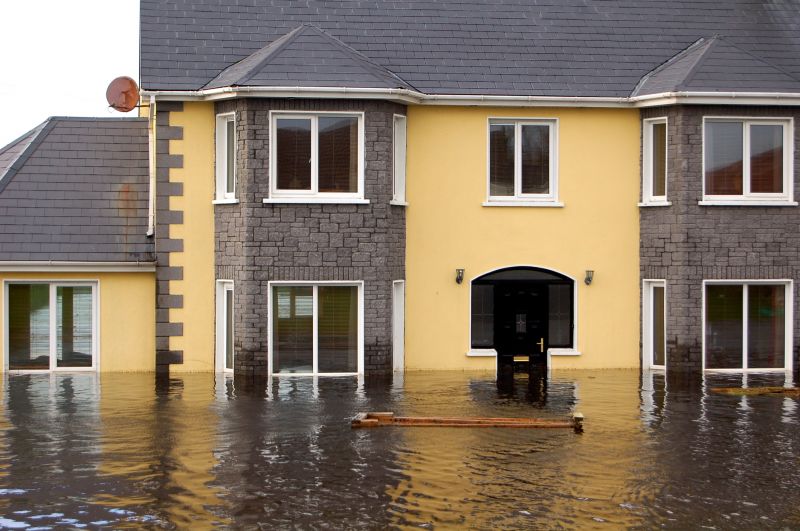
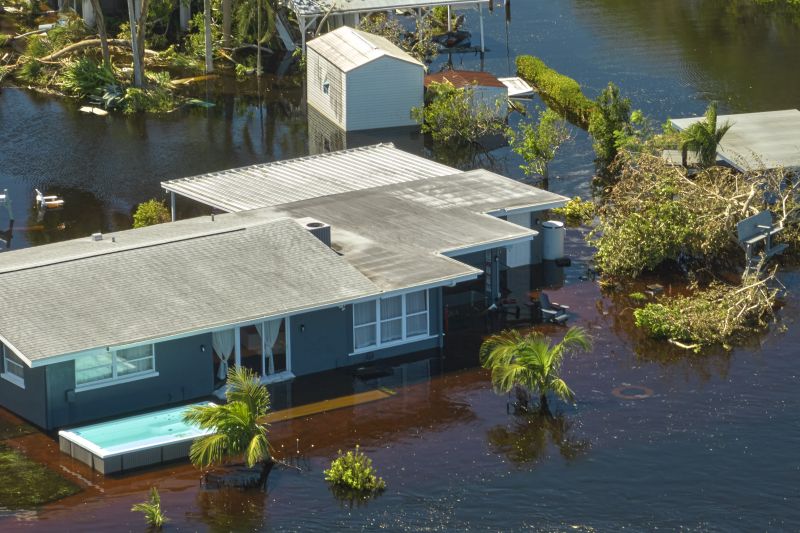
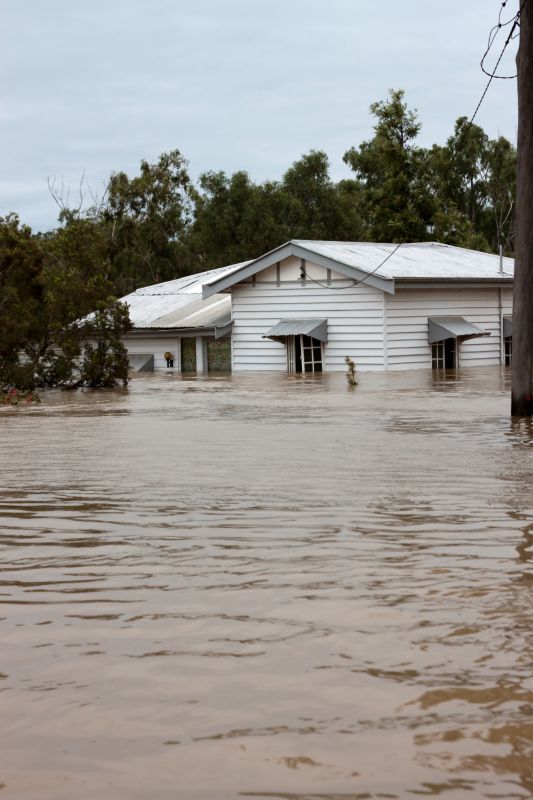
Flood mitigation services involve implementing measures to reduce the risk of water damage caused by heavy rains, rising water levels, or unexpected flooding events. These services typically include installing barriers, improving drainage systems, sealing foundation cracks, and elevating critical areas to prevent water from entering or accumulating on a property. The goal is to create a barrier against floodwaters and ensure that properties remain dry even during severe weather conditions. By addressing existing vulnerabilities, flood mitigation helps homeowners protect their investments and minimize the disruption caused by flood-related issues.
Many problems can be alleviated through effective flood mitigation. These include basement flooding, water seepage into foundations, erosion around the property, and damage to landscaping or outdoor structures. Flooding can also lead to mold growth, structural weakening, and costly repairs if not properly addressed. Service providers can assess a property’s risk factors, such as low-lying areas or poor drainage, and recommend tailored solutions to prevent water intrusion. This proactive approach is especially valuable in regions prone to heavy rainfall or storm surges, helping homeowners avoid the financial and emotional stress associated with flood damage.
Properties that often benefit from flood mitigation services include residential homes, especially those situated in flood-prone zones or areas with poor drainage. Homes with basements or crawl spaces are particularly vulnerable to water intrusion and may require specialized barriers or sump pump systems. Additionally, properties near bodies of water, such as lakes, rivers, or streams, often need flood mitigation measures to protect against rising water levels. Commercial properties, community facilities, and even some outdoor spaces can also be candidates for flood protection solutions, depending on their location and risk factors.
Homeowners who notice signs of water intrusion, such as damp basement walls, pooling water after storms, or erosion around their property, should consider consulting with local contractors specializing in flood mitigation. These experts can evaluate the specific risks and recommend appropriate measures to safeguard the property. Implementing flood mitigation strategies not only helps prevent immediate water damage but also contributes to long-term property preservation. Contacting experienced service providers can ensure that the right solutions are tailored to each property’s unique needs, providing peace of mind during periods of heavy rainfall or flooding.
The overview below groups typical Flood Mitigation projects into broad ranges so you can see how smaller, mid-sized, and larger jobs often compare in Chapel Hill, NC.
In many markets, a large share of routine jobs stays in the lower and middle ranges, while only a smaller percentage of projects moves into the highest bands when the work is more complex or site conditions are harder than average.
Smaller Repairs - Typically, minor flood mitigation tasks such as sealing cracks or installing barriers cost between $250 and $600. Many routine jobs fall within this range, especially for residential properties with localized issues.
Mid-Size Projects - More extensive work like sump pump installations or drainage improvements usually range from $1,000 to $3,000. These projects are common for homes needing moderate upgrades to prevent flooding.
Large-Scale Installations - Complex systems such as comprehensive drainage systems or foundation waterproofing can cost $4,000 to $8,000 or more. Fewer projects reach into this tier, typically involving larger or more detailed work.
Full Property Flood Protection - Complete flood barrier systems or extensive mitigation plans for entire properties may exceed $10,000. Such projects are less frequent and involve significant planning and resources by local contractors.
Actual totals will depend on details like access to the work area, the scope of the project, and the materials selected, so use these as general starting points rather than exact figures.
Stormwater Drainage Projects - local contractors can design and install drainage systems to redirect excess water away from properties, reducing flood risk.
Levee and Flood Barrier Construction - experts in building levees and barriers help protect areas prone to flooding by controlling water flow during heavy rains.
Wetland Restoration - professionals restore natural wetlands to improve water absorption and decrease surface runoff that can lead to flooding.
Stormwater Management Planning - service providers develop comprehensive plans to manage rainwater runoff effectively across residential and commercial sites.
Erosion Control Projects - local pros implement erosion control methods that prevent soil loss and reduce the likelihood of flood damage during storms.
Rainwater Harvesting Systems - experts install systems to collect and store rainwater, alleviating stormwater accumulation and potential flooding issues.
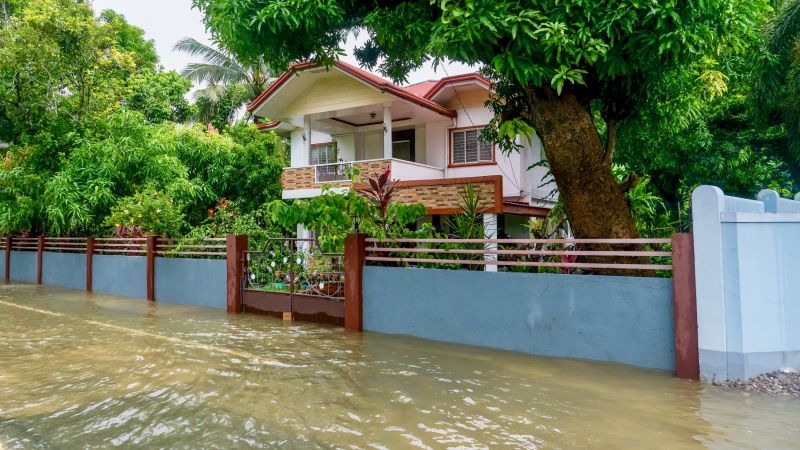
When comparing flood mitigation service providers in the Chapel Hill area, it’s important to consider their experience with projects similar to the one needed. Homeowners should look for local contractors who have a track record of successfully completing flood prevention measures in properties with comparable features or challenges. This background can provide confidence that the service provider understands the specific conditions common to the region and has the practical knowledge to address them effectively.
Clear, written expectations are essential when evaluating flood mitigation services. Homeowners should seek providers who can outline the scope of work, materials, and methods in a straightforward manner. Having detailed documentation helps ensure everyone is aligned on what the project entails, reducing misunderstandings and making it easier to compare different options. Transparency in communication also reflects professionalism and a commitment to client clarity.
Reputable references and effective communication are key indicators of a trustworthy flood mitigation contractor. Local service providers who can provide references from past clients or examples of completed projects demonstrate their reliability and quality of work. Additionally, good communication throughout the process helps homeowners stay informed, ask questions, and feel confident that their concerns are being addressed. This combination of proven experience, clear expectations, and responsive communication can help homeowners select a contractor well-suited to handle their flood mitigation needs in the Chapel Hill area.
Property owners in Chapel Hill, NC use Flood Mitigation services for practical projects around their homes and businesses. This guide focuses on everyday jobs and straightforward project options.
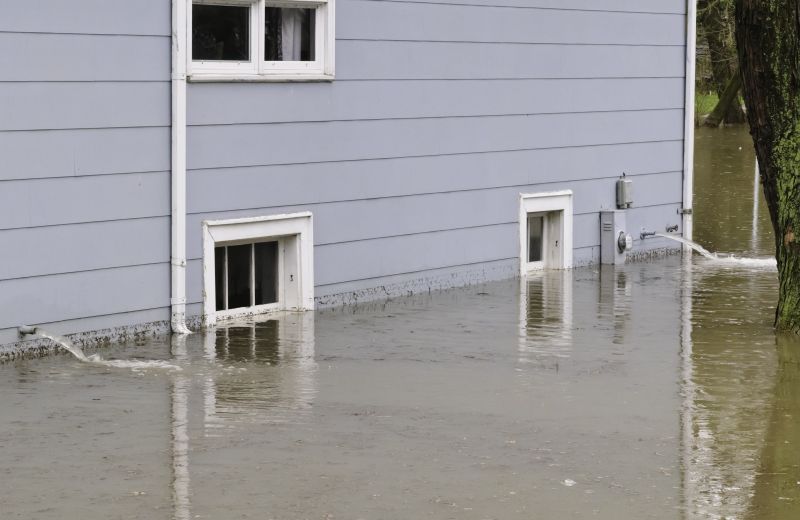
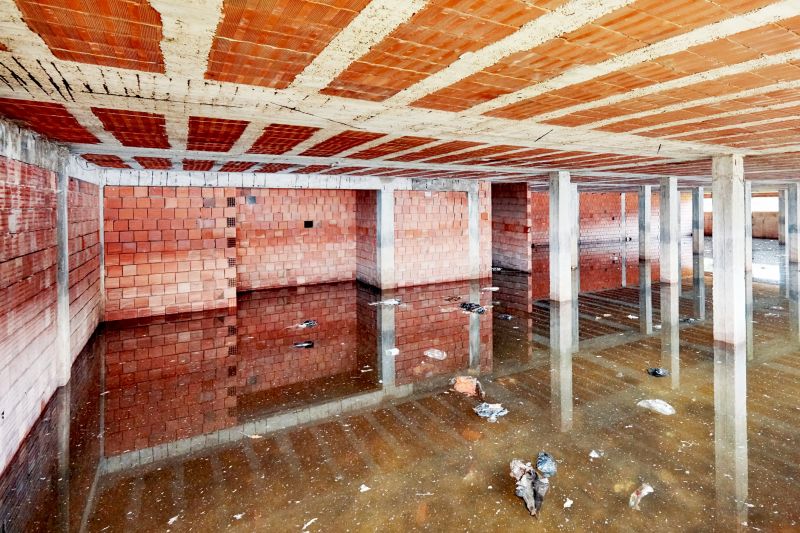
Flood mitigation services are often needed when property owners in Chapel Hill, NC experience frequent pooling of water after heavy rains or notice rising water levels during storms. These situations can lead to concerns about basement flooding, erosion around the property, or damage to landscaping and foundations. Local contractors who specialize in flood mitigation can evaluate these issues and recommend solutions such as installing drainage systems, sump pumps, or barriers to help manage water flow and reduce the risk of future flooding.
Homeowners may seek flood mitigation work when preparing for seasonal storms or after experiencing the impact of recent heavy rainfall. Common reasons include protecting property value, preventing water damage, or addressing drainage problems caused by changes in terrain or nearby construction. Local service providers can assess specific property needs and implement measures designed to improve water management, helping residents feel more secure during unpredictable weather conditions.
What are common flood mitigation services available in Chapel Hill, NC? Local contractors often offer services such as installing sump pumps, constructing barriers, grading property to improve drainage, and sealing basements to prevent water intrusion.
How can flood barriers help protect my property? Flood barriers are designed to create a physical barrier that prevents floodwaters from entering your property, reducing potential water damage during heavy rains.
What steps can be taken to improve drainage around a home? Service providers may recommend grading the landscape to direct water away from the foundation, installing drainage systems like French drains, and maintaining gutters and downspouts to ensure proper water flow.
Are there preventive measures to reduce flood risk in flood-prone areas? Local contractors can assess the property and suggest measures such as elevating structures, installing sump pumps with backup power, and creating proper drainage pathways to minimize flood damage.
How do I find qualified flood mitigation professionals in Chapel Hill? You can contact local service providers through lead generation platforms that connect homeowners with experienced contractors specializing in flood prevention and mitigation services.
Drainage System Improvements - Installing or upgrading gutters and downspouts can help direct rainwater away from the property’s foundation during heavy storms.
Flood Barriers and Sandbags - Using temporary flood barriers or sandbags can protect entryways and low-lying areas during forecasted heavy rainfall.
Landscape Grading Solutions - Adjusting the slope of yard surfaces can prevent water from pooling around the building and reduce flood risks.
Sump Pump Installation - Adding or maintaining sump pumps can help remove excess water from basements or crawl spaces after heavy rains.
If you are thinking about Flood Mitigation for a property in Chapel Hill, NC, this guide is meant to help you understand the work, the typical project types, and how different options might fit your plans.
When you are ready, you can use the quote form on this page to share a few details about your project. From there, local pros can review the basics and respond with options that match what you have in mind.